


Posted in:
Tahltan Youth Learn to Heal, Lead, and Survive at Tene Mehodihi’s Summer Camps
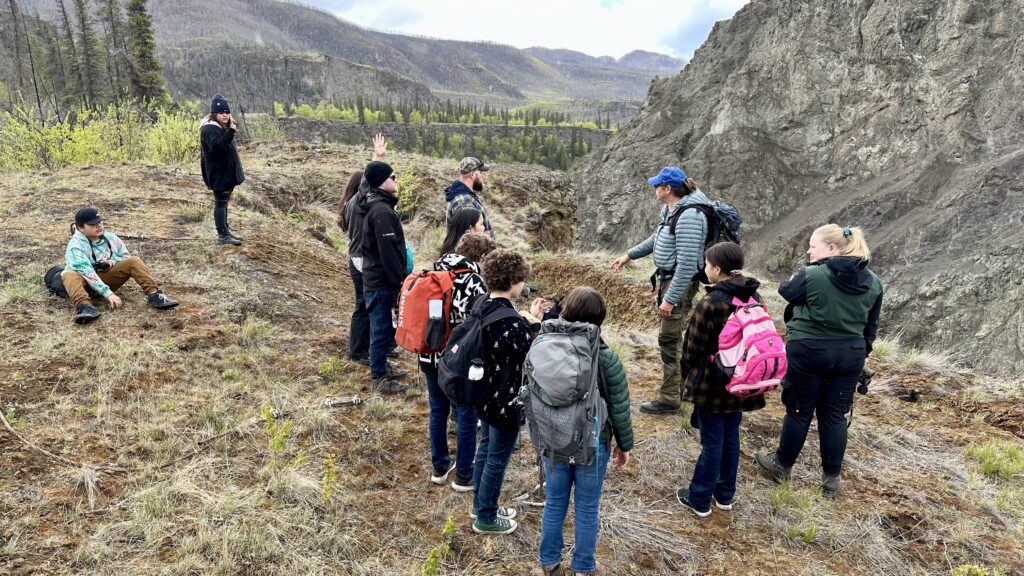
Tāłtān konelin. Photo: Stephen Hui
Tahltan Youth Learn to Heal, Lead, and Survive at Tene Mehodihi’s Summer Camps
Story by Esther Tung
Photos by Stephen Hui
Most Tahltan youth have yet to fully experience all that their territory’s backcountry has to offer. Tahltan territory is so vast that it rivals the size of South Korea. But thanks to Tene Mehodihi, more youth each year are connecting to their land.
Tene Mehodihi is a land-based summer program for Tahltan youth to hike ancestral trails, learn bush skills and connect with their land and culture. Based in Dease Lake and run by TWILD (Tū’dese’chō Wholistic Indigenous Leadership Development Society), Tene Mehodihi was founded by Nathan Skubovius, a member of the Tsesk’ye clan and the Eth’ani family. Curtis Rattray is the program’s lead guide and a School District 87 (Stikine)’s Indigenous curriculum advisor.
Rattray is a member of the Tsesk’ye clan from Nalokoteen of the Tahltan Nation, and has been hiking, camping, and offering guided adventure tours through Tahltan territory for more than two decades. Mentoring youth to fulfill their potential and overcome trauma is Rattray’s way of contributing to his community and furthering the goals of his nation. “It fulfills my purpose,” he says.
From First Hikes to Cultural Knowledge
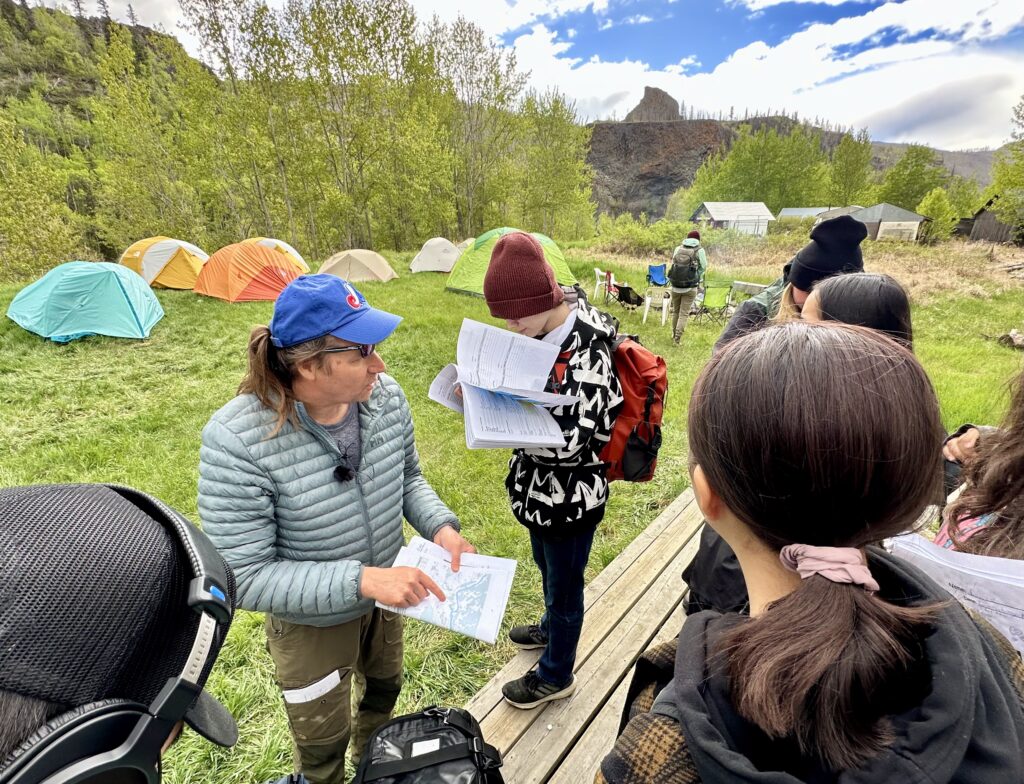
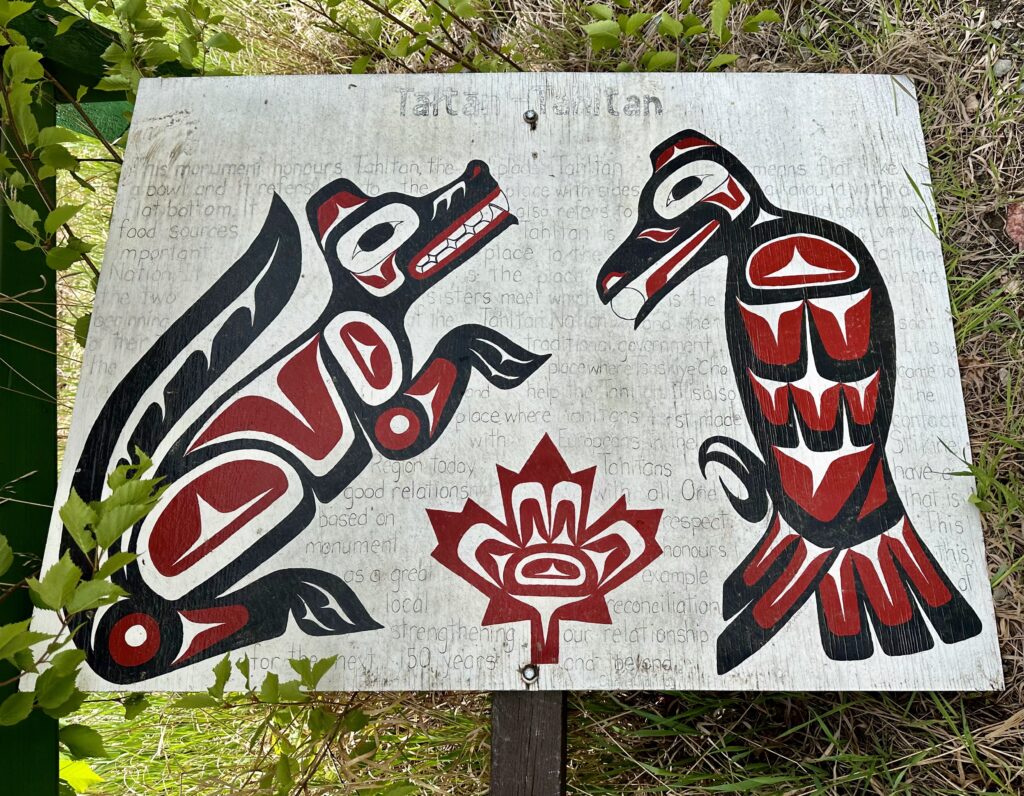
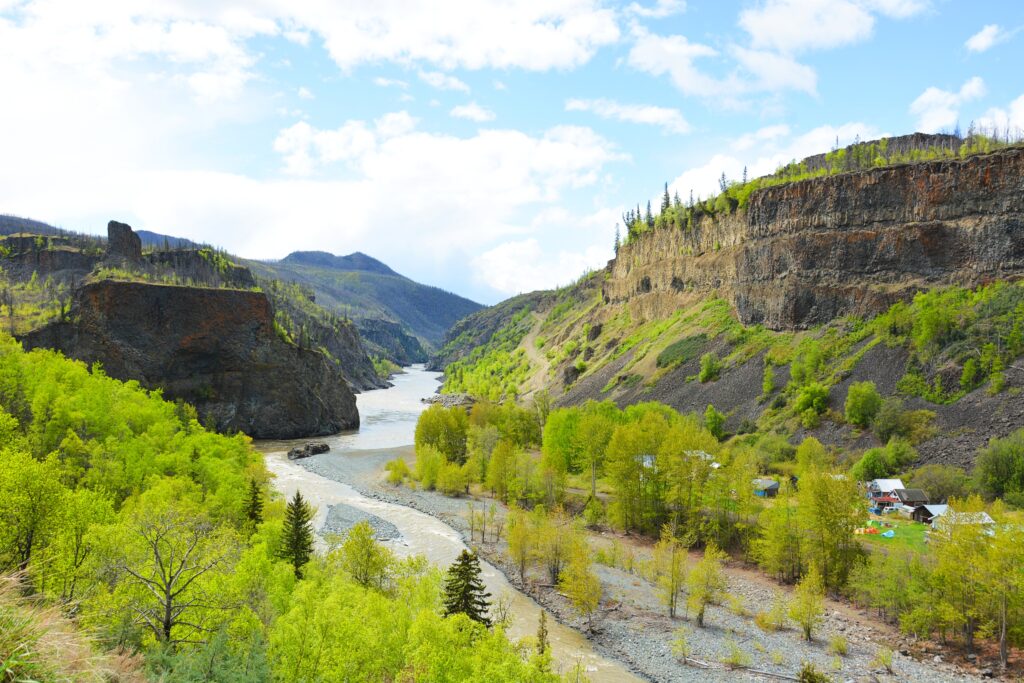
Tene Mehodihi expeditions are designed for different age groups. Younger teens, ages 12 to 14, head to more accessible campsites like the Tanzilla River Basecamp, where they’re taught beginner bush skills, like making fires, navigating terrain, and building shelters. Starting small is important and Rattray is patient. Once, kids in the program didn’t know how to hammer a nail. “I asked, ‘How come?’” Rattray recalls with an amused smile. “They said there’s no video game about how to pound nails.”
By the end of that trip, the same teens had learned how to chop firewood, cook for camp, maintain a trail, and master the art of using a hammer.
“One youth told me that going on a Tene Mehodihi hike was the best thing her mom made her do,” says Rattray.
Bush skills are just one part of what youth learn through Tene Mehodihi. Integrating the values of sovereignty and self-determination, guides offer students teachings about Tahltan and broader Indigenous history, governing systems, and cultural knowledge—topics rarely covered in mainstream school curriculum. And as youth learn together, they develop a sense of purpose and connection with each other and their community.
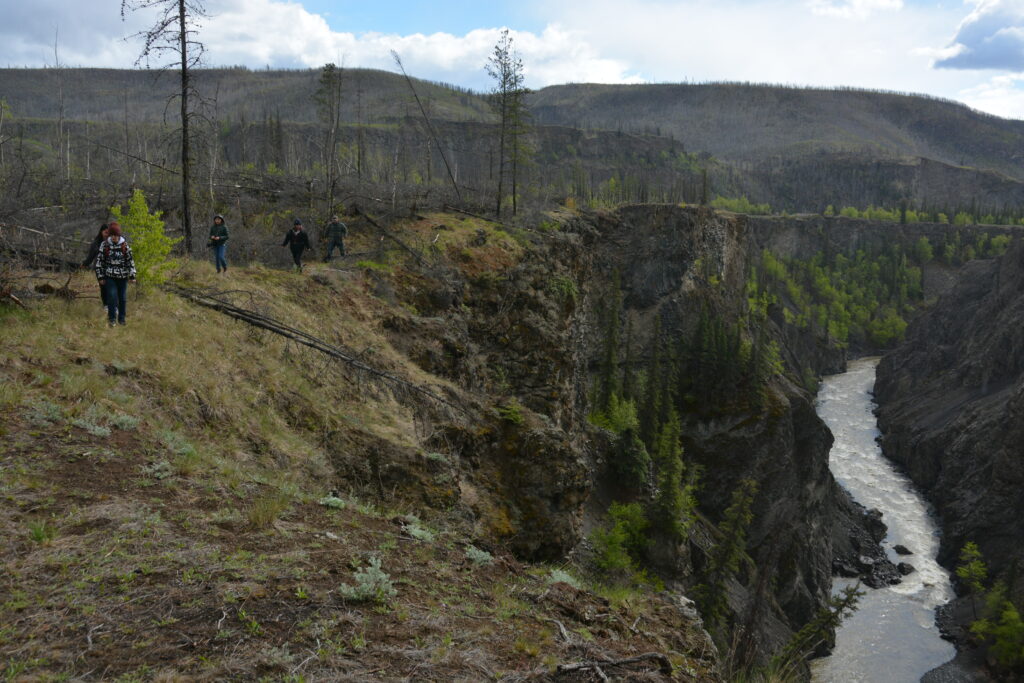
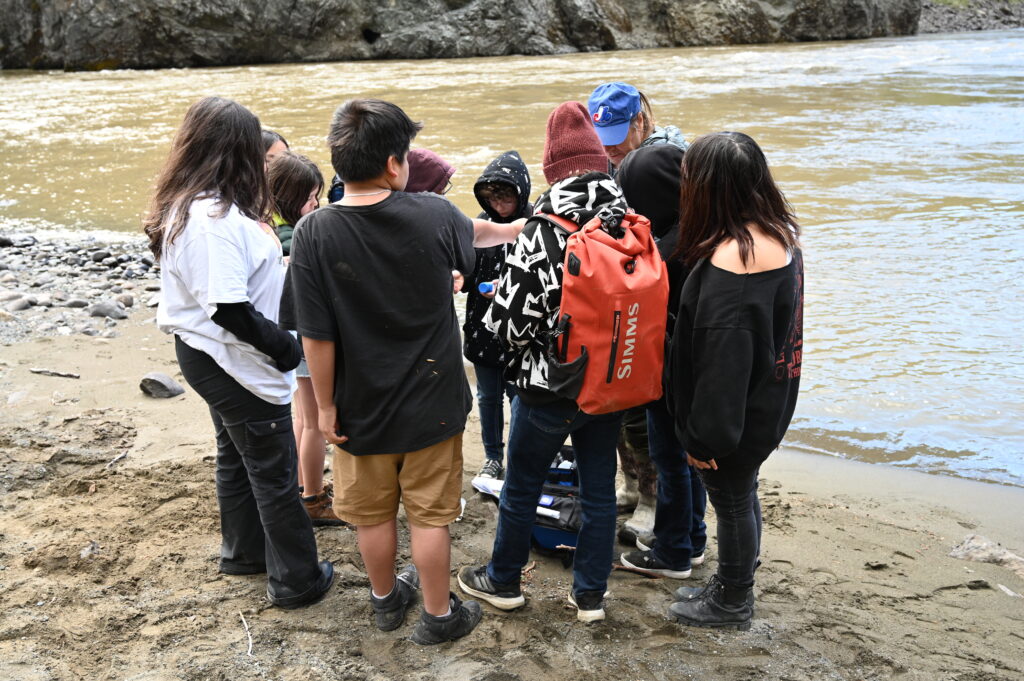
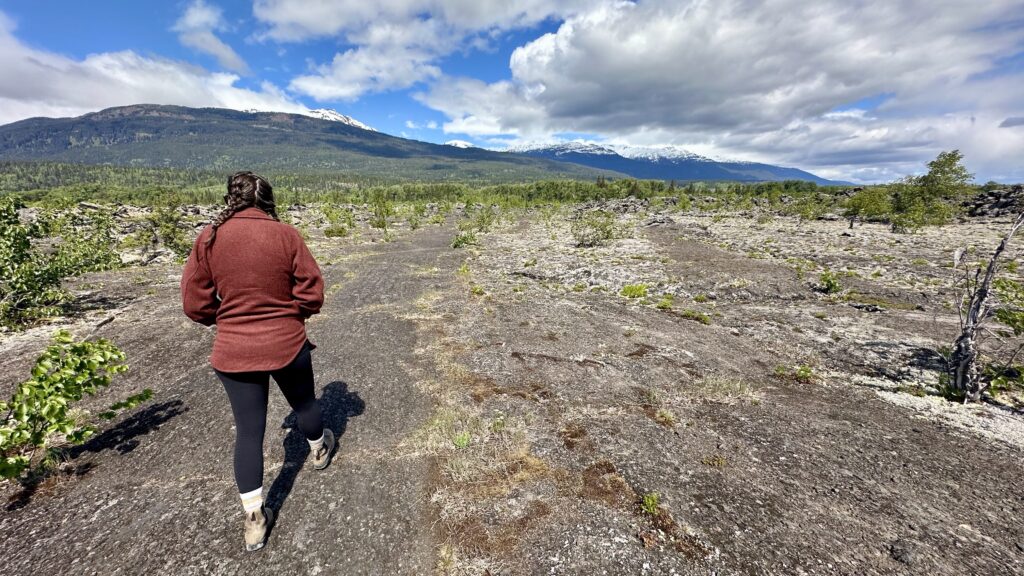
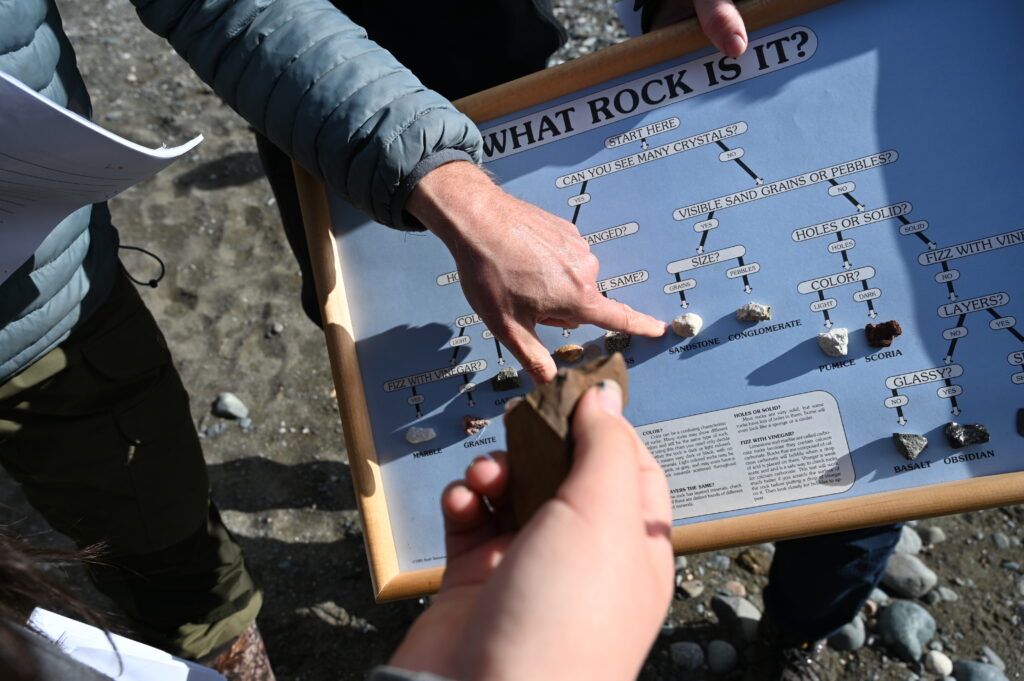
Starting at age 15, students can venture on to more challenging terrain like Mount Edziza and Tuya Mountains. Some of these trips are focused on geology (particularly obsidian, which Tahltan people gathered and traded extensively), traditional land-use, trail restoration, and even engaging with participatory science approaches like community-led monitoring of the environment.
Leadership Starts with Personal Transformation
At Tene Mehodihi, adventure is the draw, and nurturing healthy leaders is the goal. In Tahltan culture, being a respected leader means taking care of your people. For instance, leaders gave enormous amounts of wealth away at potlatches, which in turn garnered them respect. “My grandmother said leaders used to purposely make themselves poor, because they were making things better for their communities,” says Rattray. “That’s the kind of leadership we’re trying to instill in youth,” a kind of leadership rooted in humility and service.
At age 19, Tahltan youth can start the process of becoming certified assistant guides. Certification is a big draw for young adults, since it prepares them for giving back to their community, post-secondary education, and a future career. As of this year, 15 Tahltan young adults are pursuing this certification.
Assistant guides-in-training develop a well-rounded skillset, following a curriculum that is a slightly modified version of the Canadian Association of Mountain Guides’ standards. They learn trauma-informed practices, culturally specific teachings, such as plant harvesting; “duty of care” and guide responsibilities, as well as a community safety check that complements a formal criminal record check. Much of this is covered on a six-day Tahltan Assistant Guide course. On the trails, they practice hands-on skills like creek crossings, identifying safe campsites, and navigation. All this prepares participants to become responsible and emotionally healthy leaders.
Eventually, guides-in-training join Tene Mehodihi expeditions where they can test their bush skills and their capacity for leadership—a wonderful, virtuous cycle of carrying forward the values and teachings of Tahltan culture.

Published on: November 2, 2025
SHARE